3D St Patrick’s Day Layer Shadow Box SVG Review
As a designer who regularly bridges the gap between digital assets and tangible textiles, I approach every new file with a specific question: will this actually translate to thread? When evaluating the 3d St Patrick’s Day Layer Shadow Box SVG, my focus shifts immediately from screen aesthetics to structural integrity. While this asset is categorized under Shadow Boxes and 3D SVG files for paper crafting, its intricate layering and bold silhouette work offer unique opportunities—and distinct challenges—for machine embroidery design adaptation. For Etsy sellers and small shop owners looking to expand their holiday inventory, understanding how to repurpose this digital embroidery file for fabric applications is crucial for maintaining product quality and customer trust.
Translating Digital Depth to Stitched Texture
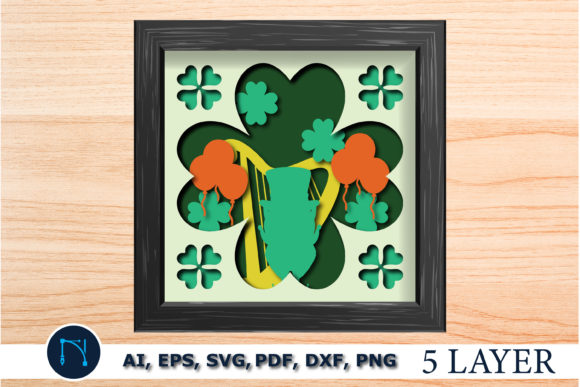
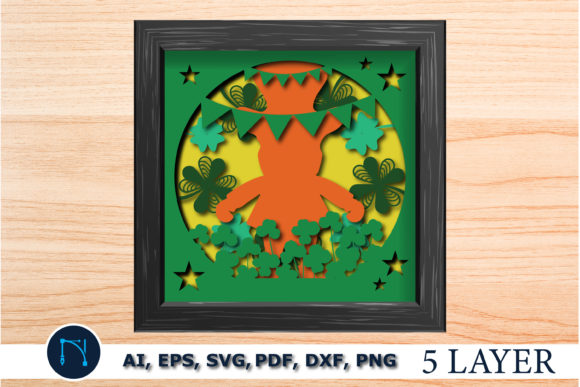
The first impression of this design is one of celebratory depth. The visual personality relies heavily on the interplay of positive and negative space, creating a faux-3D effect through stacking. In a paper shadow box, this is achieved with spacers; in an embroidery project, we must achieve it through stitch density and fabric contrast. The layout feels festive yet structured, avoiding the chaotic clutter that often plagues holiday embroidery. This makes it a strong candidate for custom apparel or home decor where readability at a distance matters.
However, because this is originally a 3D SVG intended for cutting machines, the lines are vector-sharp. When converting this into an applique design or a multi-layer satin stitch composition, you cannot simply auto-digitize. The "layers" in the digital file must be reimagined as fabric layers or thread textures. For a sweatshirt embroidery project, I envision using the base layer as a felt foundation, with subsequent layers stitched in varying thread colors to mimic the shadow effect. This approach preserves the handmade product aesthetic while ensuring the design doesn't become too dense for wearable fabric.
Real-World Application: The Holiday Tote Bag Test
To truly judge the viability of the 3d St Patrick’s Day Layer Shadow Box SVG for commercial embroidery, I mentally prototyped a personalized gift scenario: a canvas tote bag destined for a St. Patrick’s Day parade or boutique sale. Tote bags are high-stakes items for craft business owners because they serve as walking advertisements for your brand quality.
In this real-life scenario, the design’s bold shapes are an asset. Thin, wispy details often get lost on textured canvas, but the substantial geometry of this shadow box style holds up well. I would utilize the included DXF or EPS files to create precise placement guides for an applique technique. By using green fabrics of varying shades rather than relying solely on fill stitch, you reduce the stitch count significantly. This prevents the tote bag fabric from puckering and keeps the production time profitable for an Etsy seller. The result is a vibrant, tactile piece that feels like premium merchandise rather than a stiff, over-stitched patch. Customers react positively to this mixed-media look because it signals intentional design rather than generic clipart.
Navigating Fabric Limitations and Hoop Constraints
While the design shows promise, practical judgment requires acknowledging where it might fail. The very nature of a "layered" shadow box implies complexity that can be problematic on certain substrates. You must exercise extreme caution when applying this design to stretchy fabrics like jersey knits or thin baby clothes. The multiple layers of stitching required to replicate the 3D effect can create a heavy, rigid spot that distorts the garment's drape. For baby embroidery specifically, I would recommend simplifying the design to a single-layer outline or reducing the internal detail to prevent skin irritation from dense backing.
Hoop size is another critical variable. This design likely has a specific aspect ratio optimized for square or rectangular shadow box frames. If you attempt to resize it for a standard 4x4 hoop without adjusting the internal proportions, the "shadow" gaps may become too narrow for satin stitches to bridge cleanly, leading to thread breaks or fraying. Conversely, enlarging it for a large pillow cover without adding underlay support could cause registration issues between the layers. Always verify the dimensions against your available hoops before committing to a production run. Additionally, dark fabrics present a challenge; if the design relies on light-colored layers to create contrast, you may need to add a white underlay or choose lighter thread colors to ensure the visual pop translates effectively.
Elevating Brand Value Through Technical Precision
For creative entrepreneurs and apparel decorators, the difference between a hobbyist item and a professional product lies in execution. Using the 3d St Patrick’s Day Layer Shadow Box SVG correctly can significantly enhance perceived value. When customers see clean edges, proper layer alignment, and thoughtful color blending, they associate those traits with your brand consistency. A sloppy conversion where layers gap or pucker suggests a lack of expertise, regardless of how beautiful the original digital file was.
This design also offers excellent versatility for digital product sellers. Beyond physical goods, the included PNG and AI formats are perfect for creating printable mockups. You can showcase the design on virtual apparel or home decor listings to gauge interest before stitching a single sample. This strategy allows small shop owners to test market demand efficiently. However, transparency is key; always clarify whether a listing is for a finished embroidered product or a digital embroidery file to avoid buyer confusion and maintain trust.
Essential Designer Notes for Production Success
Before loading this design into your machine for a client project or holiday collection, adhere to these professional best practices:
- Test on Scrap Fabric First: Never assume the digitizing parameters match your specific machine tension. Run a test sew-out on the exact fabric and stabilizer combination you plan to use for the final product.
- Verify Licensing Terms: The product description lists file formats (SVG, PNG, DXF, AI, EPS, PDF) but does not explicitly state commercial licensing for embroidered goods. Confirm whether you have permission to sell finished items or if the license is restricted to personal use or paper crafting only.
- Assess Stitch Density: Since this originates as a cutting file, check for overlapping areas that might become bulletproof when stitched. Manually adjust density settings or convert solid areas to applique to maintain fabric flexibility.
- Check Thread Color Contrast: Simulate the design in black and white within your software. If the layers disappear without color, the design lacks sufficient tonal value for monochromatic embroidery or tone-on-tone projects.
- Stabilizer Selection: Given the layered nature of shadow box designs, use a high-quality cut-away stabilizer for wearables to support the weight of the stitches. Tear-away options are generally insufficient for multi-layer compositions.
- Mockup Validation: Use the provided PNG files to create realistic previews for your online store, but ensure the mockup accurately represents the texture of embroidery rather than flat vinyl to set correct customer expectations.
Ultimately, the 3d St Patrick’s Day Layer Shadow Box SVG is a versatile asset that rewards technical diligence. Whether you are crafting a festive kitchen towel, a boutique sweatshirt, or a digital preview for your shop, treating this file as a blueprint for textile construction rather than just a picture ensures your St. Patrick’s Day offerings stand out for their quality and craftsmanship.