Bat SVG: 3D Layered Mandala for Embroidery
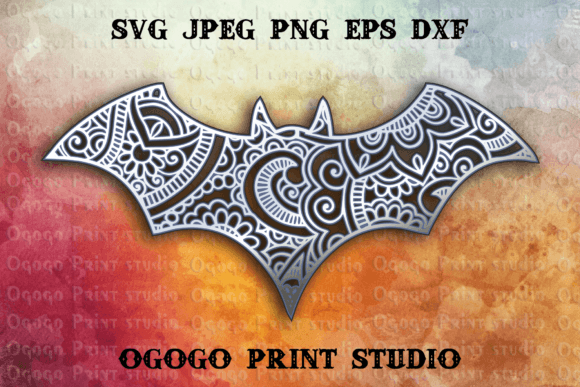
As a professional embroidery designer and product reviewer, I approach every new digital asset with a critical eye. When evaluating the Bat Svg - 3D Layered Mandala SVG, my first thought isn't just about how pretty the vector lines look on a screen, but how those lines will translate into thousands of stitches on fabric. This design sits at an interesting intersection of gothic aesthetics and intricate mandala geometry. It is categorized under Shapes and identified as a 3D SVG, originally intended as a layered cut file for crafters. However, for us in the embroidery community, this file represents a unique opportunity to create dimensional, textured art that stands out in a saturated market.
The visual personality of this design is striking. It moves away from the cartoonish bat silhouettes often seen in holiday embroidery and leans into something more sophisticated and ornamental. The mandala elements soften the potentially spooky nature of the bat shape, making it versatile enough for autumn boutique collections, witchy aesthetic apparel, or even nuanced nursery decor. As I reviewed the three-layer structure, I immediately began visualizing how to map these layers to thread rather than paper. The depth implied by the "3D" designation suggests that this shouldn't be a flat fill stitch project; it demands texture to truly honor the designer's intent.
Translating Vector Layers to Stitch Texture
In a real-life scenario, I recently prepared a custom sweatshirt for a client who wanted a "dark academia" vibe without being overtly Halloween-themed. The Bat Svg - 3D Layered Mandala SVG was the perfect candidate. Because this is a multilayered file, I treated each layer as a separate stitching sequence to build physical dimension. Instead of using standard fill stitches for all three layers, I utilized different stitch types to create contrast.
For the base layer, I used a dense fill stitch to anchor the design to the fleece backing. The middle layer, which forms the core mandala pattern, was executed with a combination of satin stitches and decorative running stitches to mimic the look of raised cording. The top layer—the bat silhouette itself—was stitched last with a high-sheen polyester thread to catch the light. This approach transformed a flat digital embroidery file into a tactile experience. When customers run their fingers over the finished product, they feel the intentional rise and fall of the layers. This level of detail increases perceived value significantly compared to a standard flat applique design.
Ideal Applications for Small Business Owners
For Etsy sellers and small shop owners, versatility is key to ROI. This design performs exceptionally well across various commercial embroidery projects. I have found that the intricate geometry of the mandala scales beautifully for tote bag designs, where the larger hoop size allows the fine details to remain crisp. The structured nature of canvas tote bags provides excellent stability for the dense stitch count required by the three layers.
Additionally, this design is a strong contender for embroidered patches. The distinct outline of the bat combined with the internal mandala patterns creates a self-contained badge that looks professional when finished with a merrowed edge. For those focusing on personalized gifts, the central area of the mandala offers natural negative space that can be adapted for monograms, provided you adjust the digitizing to prevent overcrowding. Whether you are creating holiday embroidery for seasonal markets or year-round gothic fashion items, this asset bridges the gap between niche and mainstream appeal.
Critical Technical Considerations and Fabric Choice
While the Bat Svg - 3D Layered Mandala SVG is visually stunning, it requires careful technical execution. As a 3D SVG converted for needlework, density management is your primary concern. Three layers of stitching can quickly lead to bulletproof stiffness or fabric distortion if not managed correctly. I strongly advise against using this design on thin, stretchy fabrics like lightweight jersey knits without significant modification. The weight of the threads will cause the fabric to sag, ruining the drape of a t-shirt or baby onesie.
Textured fabrics also present a challenge. While linen and cotton twill are ideal, heavy napped fabrics like terry cloth or plush minky can swallow the finer details of the mandala. If you must use textured fabric for a kitchen towel or blanket, consider adding a topping stabilizer and perhaps simplifying the bottom layer to reduce bulk. Always verify your hoop size before committing to a production run; the intricate corners of this design require adequate margin to prevent registration errors. Furthermore, because this is originally a vector cutting file, ensure your digitizing software has properly closed all paths to prevent jump stitches or gaps in the satin stitch borders.
Ethical Sourcing and Professional Integrity
One aspect of this product that deserves specific mention is the charitable component. With 10% of the cost going to charity, purchasing this design aligns with the values of many conscious makers and handmade business owners. In an industry where licensing and ethical consumption are increasingly important to buyers, being able to authentically share that a portion of your design assets supports a good cause can enhance brand trust. It adds a layer of storytelling to your marketing that goes beyond simple aesthetics.
However, professional integrity also means respecting the license. Since this is marketed as a vector cutting file for crafters, you must confirm the specific embroidery usage rights before selling finished products. Never assume a cut file license automatically covers commercial embroidery sales. Clarifying this protects your business and respects the original artist.
Designer Notes for Successful Execution
Before loading this machine embroidery design into your production queue, follow these practical steps to ensure quality:
- Test on Scrap Fabric First: Never stitch this complex 3D design directly onto a final garment. Use a scrap of the exact same material and stabilizer combination to check for puckering and layer alignment.
- Evaluate Thread Color Contrast: The 3D effect relies on visual separation. Test thread colors in both natural and artificial lighting. Low-contrast tones may cause the layers to blend together, losing the dimensional impact.
- Check Stitch Density: Review the digital embroidery file in your software. If the total stitch count seems excessive for the fabric weight, manually reduce the density of the underlay or base layer.
- Mockup Verification: Create printable mockups in both black and white and full color. This helps identify whether the design reads clearly as a bat mandala or if it looks like an abstract blob at smaller sizes.
- Stabilizer Strategy: For a three-layer design, a single layer of tear-away is rarely sufficient. Opt for a medium-weight cutaway stabilizer for apparel to support the weight of the stitches permanently.
- Licensing Confirmation: Double-check the terms regarding commercial use for both physical items and digital previews. Ensure you are cleared to use this for Etsy listings or craft fair merchandise.
The Bat Svg - 3D Layered Mandala SVG is more than just a seasonal novelty; it is a sophisticated design asset that rewards patience and technical skill. By treating the vector layers as a blueprint for textural embroidery rather than a simple coloring page, you can elevate your custom apparel and handmade products above the competition. Just remember that successful embroidery is a marriage of art and engineering. Respect the complexity of the mandala, choose your fabrics wisely, and always prioritize test runs. When executed correctly, this design delivers a premium, handcrafted feel that customers are happy to pay for and proud to wear.