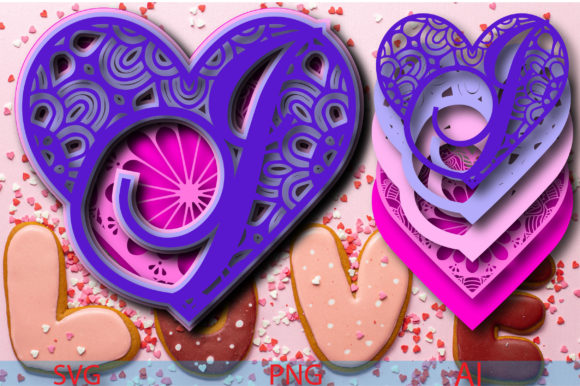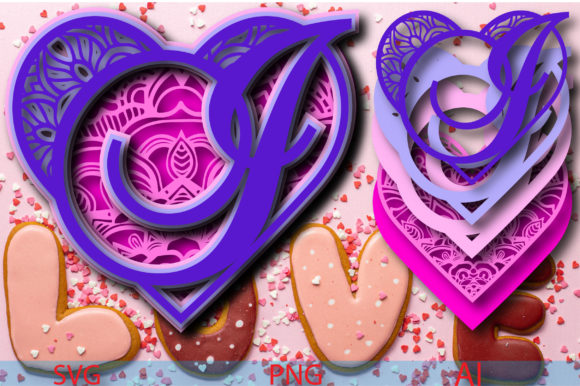
Heart Mandala Alphabet I: A Designer’s Review
When evaluating digital assets for commercial embroidery, my primary concern is always translation. A file might look pristine on a screen, but the true test lies in how those vector lines convert into physical stitches. As a designer who regularly produces custom apparel and personalized gifts for small business clients, I approached Heart Mandala Alphabet I with a critical eye. This isn't just another monogram font; it is a complex intersection of typography and ornamental art. For Etsy sellers and craft business owners, understanding the practical application of this specific machine embroidery design is essential before listing finished products or selling digital embroidery files.
First Impressions: Balancing Romance and Structure
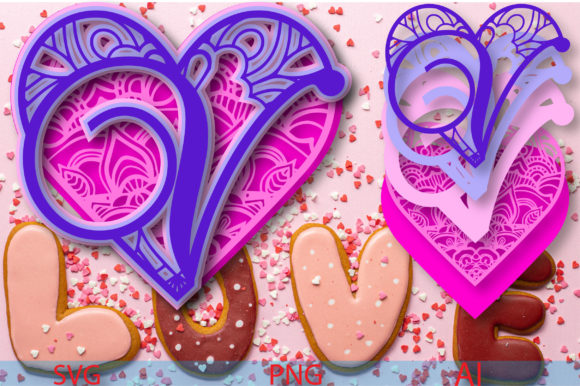
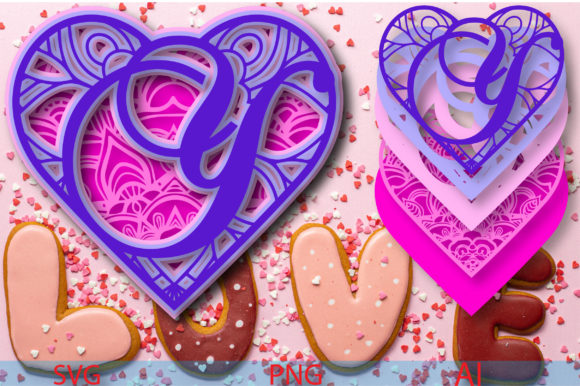
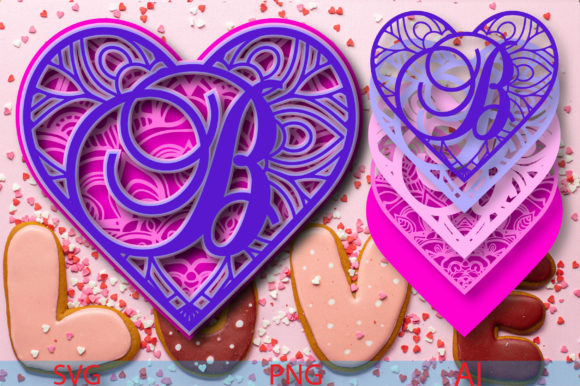
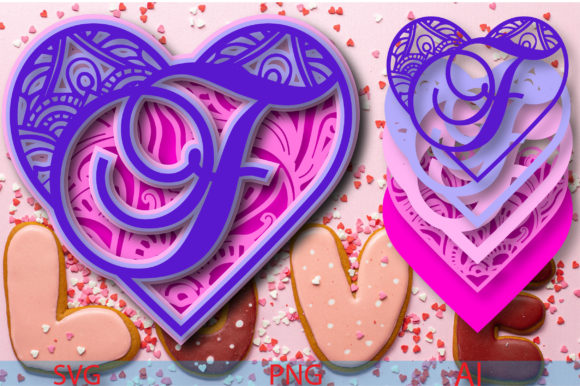
My initial assessment of Heart Mandala Alphabet I focuses on its visual weight and emotional resonance. The design successfully merges the organic flow of a mandala with the structural necessity of legible lettering. In the world of shapes and decorative typography, this balance is difficult to achieve. Often, mandala alphabets sacrifice readability for ornamentation, or vice versa. This collection maintains clarity while delivering the intricate detail that customers associate with high-value handmade products.
The aesthetic leans toward romantic and vintage, making it an immediate candidate for wedding merchandise, nursery decor, and boutique branding. However, as a 3D SVG asset originally optimized for laser cutting, the lines are exceptionally clean. For an embroidery digitizer, this is a massive advantage. Clean vectors mean fewer jagged edges when converting to satin stitch or fill stitch areas. The transparency and 300ppi resolution of the included PNG files also make creating printable mockups for client approval significantly easier, allowing you to present a professional vision before a single needle penetrates fabric.
Real-World Application: The Custom Sweatshirt Test
To truly judge the viability of Heart Mandala Alphabet I, I mentally prototyped a project that represents a staple for many creative entrepreneurs: a personalized crewneck sweatshirt for a bridal party. This scenario tests the design against stretchy fabric, high visibility, and the need for perceived value.
In this context, the alphabet shines because of its density. A thin, single-line script often gets lost on heavy fleece or French terry. The multi-layered nature of this mandala alphabet provides enough visual substance to anchor the garment without requiring excessive stabilizer that could result in a stiff, bulletproof feel. When planning this embroidery project, I would utilize the heart motif as a central chest placement rather than a traditional left-chest logo. The symmetry of the mandala allows it to function as both text and graphic element simultaneously.
For small shop products like this, customer trust is built on finish quality. Because the source files are described as having "no cutting issues," we can infer that the node placement is logical. In embroidery terms, this suggests that when digitized, the stitch pathing should be efficient, reducing jump stitches and trims. Fewer trims mean a cleaner backside on the sweatshirt, which is a major selling point for premium custom apparel.
Navigating Fabric Limitations and Hoop Constraints
While versatile, Heart Mandala Alphabet I demands respect regarding substrate selection. Not every fabric is a suitable canvas for such detailed artwork. As an experienced reviewer, I must highlight where caution is necessary to protect your brand reputation.
- Stretchy and Thin Fabrics: On lightweight jersey or performance wear, the stitch density of a multi-layered mandala can cause puckering. If using this for baby embroidery or summer tees, you must use appropriate cut-away stabilizer and potentially reduce the internal fill density during digitization.
- Textured Surfaces: Avoid using this design on high-pile towels or nubby linen. The fine details of the mandala will sink into the texture, rendering the lettering illegible. This design performs best on smooth, stable surfaces like quilting cotton, denim, or tight-knit fleece.
- Small Hoop Sizes: Intricate alphabets have a minimum viable size. Scaling Heart Mandala Alphabet I down to fit a 4x4 hoop for a cap or sleeve cuff may result in thread breaks or muddy details. Always verify the minimum recommended size in your embroidery software before committing to small-scale applications.
- Dark vs. Light Fabrics: High contrast is non-negotiable. Testing black thread on navy fabric revealed that the inner mandala details disappear. For dark garments, consider using a lighter running stitch outline or a contrasting underlay to define the shape against the background.
Commercial Value and Product Positioning
For digital product sellers and apparel decorators, the value of this asset extends beyond a single stitch-out. The inclusion of AI and SVG formats means this alphabet serves dual purposes. You can use it for commercial embroidery projects while simultaneously offering matching laser-cut wood ornaments or acrylic cake toppers. This cross-medium consistency helps build a cohesive brand identity for makers who sell across different categories.
From a marketing perspective, the "Heart" theme naturally aligns with high-conversion seasons. Holiday embroidery, Valentine’s Day sales, and Mother’s Day promotions are obvious fits. However, the sophistication of the mandala style elevates it above generic clip art. It signals to the buyer that this is a curated, artistic choice rather than a mass-produced commodity. When listing on Etsy, emphasizing the "multi-layered" aspect in your description can justify a higher price point for finished goods, as customers understand that more layers equate to more time, thread, and expertise.
Critical Pre-Stitch Checklist for Makers
Before adding Heart Mandala Alphabet I to your production queue or digital storefront, run through this practical evaluation list. These steps separate hobbyists from professionals and prevent costly material waste.
- Verify Licensing Terms: While the files are watermark-free and high-resolution, always confirm whether your purchase includes commercial rights for selling finished embroidered items versus selling the digital file itself. Protect your business by knowing exactly what you own.
- Test Stitch Density: Do not assume the default digitization is perfect for your specific machine and thread combination. Run a test on scrap fabric identical to your final product. Check if the satin stitches are too wide or if the fill stitches are too dense for the fabric weight.
- Evaluate Thread Color Contrast: Create a physical color chart. What looks distinct on a backlit monitor may blend together in matte rayon or polyester thread. Ensure the mandala layers remain distinguishable after stitching.
- Check Stabilizer Compatibility: Match your stabilizer to the fabric, not just the design. A complex alphabet on a tote bag requires different support than the same alphabet on a pillow cover. Document your successful combinations for future reference.
- Mockup Realism: Use the transparent PNGs to create realistic previews, but ensure they accurately represent the stitched texture. Misleading customers with flat vector images when the final product has dimensional stitch texture can lead to returns.
Final Thoughts on Design Integrity
Heart Mandala Alphabet I represents a strong asset for the serious maker. Its strength lies in its hybrid nature—decorative enough to stand alone as art, yet structured enough to function as communication. Whether you are creating a personalized gift for a client or expanding your digital design assets library, this collection offers a solid foundation.
Success with this design ultimately depends on your willingness to adapt it to the physical realities of embroidery. By respecting fabric limitations, testing rigorously, and leveraging the clean vector geometry for precise digitizing, you can transform these digital shapes into tangible, high-quality products that resonate with buyers. In a saturated market, it is this attention to technical execution and aesthetic cohesion that defines a sustainable craft business.