Juneteenth 3D SVG for Editorial Shadow Boxes
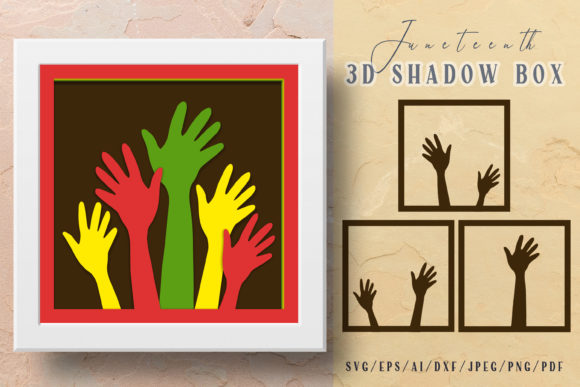
As a digital publisher and blog designer, I constantly evaluate graphic design assets not just for their aesthetic appeal, but for their functional utility in a real content workflow. When reviewing the Juneteenth 3D Shadow Box SVG, my first impression was one of sophisticated cultural resonance. This is not merely a decorative file; it is a structured editorial design element that communicates depth, history, and celebration simultaneously. The layered papercut aesthetic creates an immediate sense of tactile quality, even when viewed on a flat screen. For publishers covering cultural heritage, lifestyle, or seasonal education, this asset establishes a mood that is both respectful and visually engaging. It avoids the flatness often associated with standard vector art, offering instead a sense of craftsmanship that translates exceptionally well to high-quality blog graphics and featured imagery.
Elevating Content Marketing Through Visual Depth
In the competitive landscape of content marketing, stopping the scroll requires more than bright colors; it requires visual intrigue. The Juneteenth 3D Shadow Box SVG excels here because the simulated depth acts as a natural focal point. When I integrate this type of 3D SVG into a publishing workflow, I see immediate applications for hero images and article headers. The shadow box format provides a built-in frame, allowing designers to nest headlines or key takeaways within the layers without obscuring the artwork. This supports a stronger visual hierarchy, guiding the reader’s eye from the intricate outer layers toward the central message. For affiliate marketers and bloggers, this means your featured image does double duty: it captures attention through artistic detail while clearly signaling the article's topic through integrated typography.
Beyond standard blog posts, this asset is a powerhouse for Pinterest pin creation. Pinterest users are drawn to vertical, detailed visuals that promise value or inspiration. The layered nature of this design mimics the popular "paper craft" aesthetic that performs organically on the platform, yet it retains the polish of professional web design. Whether you are promoting a digital guide, a historical overview, or a seasonal celebration, the shadow box style suggests that the content inside is substantial and carefully curated. This perception of quality directly correlates to higher click-through rates and improved reader trust.
Versatility Across Digital Products and Brand Identity
A robust brand identity relies on consistent, adaptable visuals. This Juneteenth asset shines in its versatility across various digital products. As a publisher, I have tested similar layered files in multiple contexts with great success. For newsletter creators, the horizontal adaptability of shadow box elements makes for striking email headers that break up text-heavy layouts. For online educators and coaches, these files serve as excellent covers for lead magnets, worksheets, or downloadable PDFs. The 3D effect implies a premium resource, increasing the perceived value of your freebies or paid printable design offerings.
Furthermore, for those utilizing Canva templates to streamline production, this SVG integrates seamlessly. You can separate the layers to create dynamic animations for social media reels or stories, adding movement to your social media graphics without requiring advanced video editing skills. Small business owners focusing on small business branding will appreciate that this asset bridges the gap between DIY crafting and professional commercial use. It signals support for cultural moments with a level of design intentionality that stock photography often lacks. When used in affiliate marketing for craft supplies, Cricut accessories, or home decor, the asset itself serves as proof of concept, demonstrating what the end user can achieve.
Strategic Placement and Editorial Context
While the Juneteenth 3D Shadow Box SVG is a powerful tool, strategic placement is key to maintaining editorial integrity. This asset works best in spaces where visual storytelling is paramount. Use it as a category thumbnail for heritage or holiday sections to create instant recognition. It is ideal for website header graphics during June, setting a celebratory tone for the entire site. In long-form editorial pieces, use individual layers as pull-quote accents or section dividers to maintain visual interest without overwhelming the text. For creative design projects involving physical products, such as selling the actual cut files, this digital preview is essential for showcasing the final assembled look.
However, publishers must exercise caution in certain contexts. Avoid using highly detailed shadow box graphics as small mobile thumbnails; the intricate layers can blur at low resolutions, creating visual noise rather than clarity. In text-heavy blog images where readability is the primary goal, the complexity of the 3D layers might compete with body copy. Additionally, if your website employs a strictly minimalist or corporate visual system, ensure the ornate nature of the papercut style aligns with your overall modern design language. It is less suitable for somber or purely academic content where a flatter, more subdued iconographic approach might be more appropriate. Always prioritize legibility and emotional alignment over decorative novelty.
Publisher Notes on Technical Execution and Licensing
Before deploying this design asset to a live site, rigorous testing is non-negotiable. As part of my standard commercial design review process, I recommend the following technical checks:
- Contrast Testing: View the SVG against both light and dark backgrounds. Shadow box effects rely on contrast to define layers; ensure the shadows remain visible in dark mode and do not disappear on white backgrounds.
- Typography Pairing: Test the asset beside serif, sans-serif, script, and display fonts. The intricate lines of the papercut usually pair best with clean sans-serifs for modern readability or elegant serifs for historical weight. Avoid overly decorative scripts that fight with the layer details.
- Mobile Responsiveness: Preview the graphic at 375px width. If the center detail becomes indistinguishable, consider cropping to a specific focal point for mobile views rather than shrinking the entire composition.
- File Optimization: Complex SVGs can contain thousands of nodes. Always run the file through an optimizer like SVGOMG before uploading to preserve web design performance scores. Convert to WebP or PNG for raster uses to reduce load times.
- Licensing Verification: Confirm the commercial license specifics. Ensure the digital download agreement permits use in monetized blogs, affiliate content, and client work. Never assume personal-use terms cover commercial publishing.
The product description notes that the ZIP includes three distinct SVG files compatible with Cricut, Silhouette Cameo, and hand cutting. From a publishing perspective, having multiple file variations is a significant advantage. It allows you to select the version with the optimal node count for web display versus the version intended for physical fabrication. This flexibility is rare in creative marketplace listings and adds genuine value for hybrid creators who both publish content and sell physical goods.
Ultimately, the Juneteenth 3D Shadow Box SVG represents a high-value intersection of cultural relevance and technical utility. For bloggers, educators, and digital marketers, it offers a pathway to create content that feels handmade yet professionally polished. By treating this asset as a core component of your editorial design strategy rather than a mere decoration, you enhance both the aesthetic quality and the functional performance of your digital presence. Whether used to drive clicks on a Pinterest pin, elevate a digital guide, or simply honor a significant date with dignity and style, this layered papercut file delivers tangible results for serious content publishers.