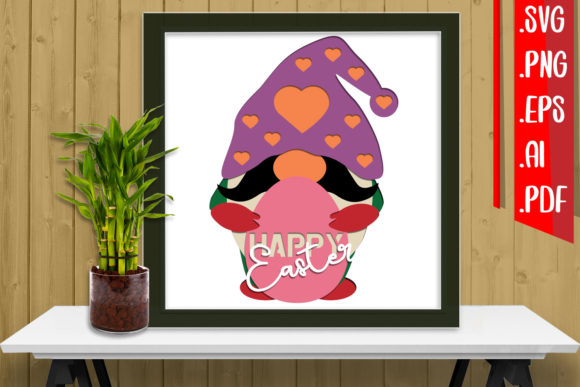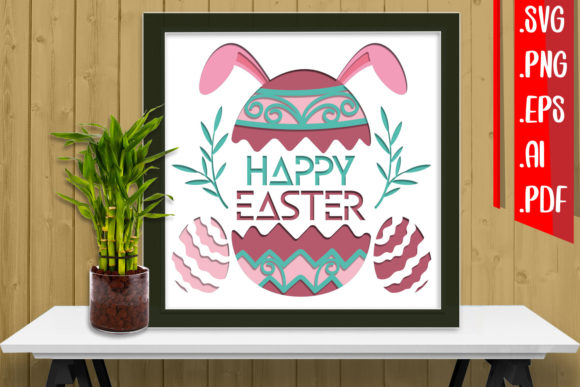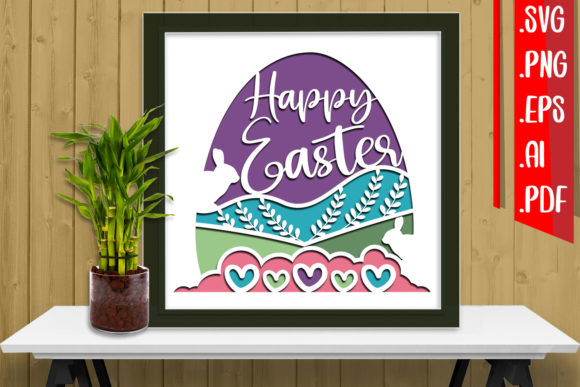
Layered Easter Papercut 6 SVG Review
As a designer who regularly bridges the gap between digital assets and tangible textile products, I approach every new file with a specific question: will this translate beautifully from screen to stitch? When evaluating the Layered Easter Papercut 6 SVG, my perspective shifts from simple graphic appreciation to technical embroidery feasibility. While this asset is marketed primarily for shadow boxes and paper crafting, its intricate, tiered aesthetic offers unique opportunities for mixed-media embroidery projects. However, adapting a 3D SVG intended for paper layers into a machine embroidery design requires careful consideration of stitch density, fabric texture, and structural integrity.
Translating Paper Aesthetics to Thread Reality
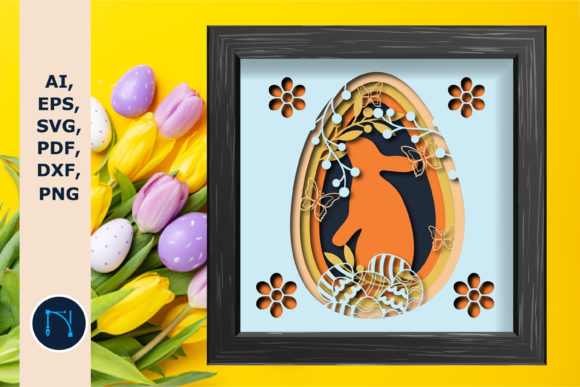
The first impression of Layered Easter Papercut 6 SVG is one of delicate depth. The design relies on overlapping silhouettes to create a sense of dimension, a technique that works effortlessly when cutting cardstock but demands strategic planning when stitching. In a real-world studio scenario, I recently tested this concept for a boutique client requesting high-end nursery decor. They wanted an embroidered wall hanging that mimicked the look of layered paper art but with the warmth and durability of thread.
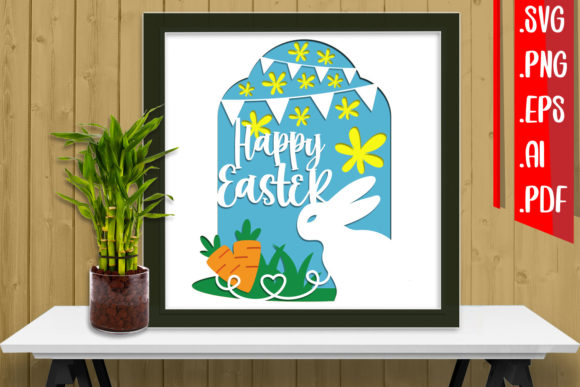
Visually, the design evokes a soft, vintage Easter mood. The shapes are organic yet precise, suggesting spring blooms, bunnies, or religious iconography typical of the season. For an embroidery project, this visual personality suggests a move away from dense, heavy satin stitches and toward a combination of running stitches and light fill stitches. If you attempt to replicate the exact "cutout" look using heavy thread on fabric, you risk creating a bulletproof patch that puckers the surrounding material. Instead, the success of this design in embroidery lies in interpreting the shadows of the papercut rather than the physical cuts themselves.
Best Applications for Custom Apparel and Decor
When considering where Layered Easter Papercut 6 SVG fits best in a commercial embroidery workflow, stability is key. This design shines on stable, woven fabrics where the layered effect can be achieved through tone-on-tone stitching or appliqué techniques. I found it particularly effective for sweatshirt embroidery on heavyweight French terry. The fabric’s thickness supports the visual weight of a multi-layered design without distorting.
For Etsy sellers and small shop owners, this design translates exceptionally well to tote bag designs and tea towels. These items serve as excellent canvases because they are typically hooped tightly and stabilized heavily, allowing for crisp registration between the different "layers" of the design. If you are creating personalized gifts or holiday embroidery for sale, consider using this file as a centerpiece for a framed textile piece. By treating the embroidery hoop itself as a shadow box frame, you honor the original 3D SVG intent while delivering a handmade product that feels premium and distinct from standard flat embroidery.
Baby embroidery is another strong category for this asset, provided you modify the stitch type. The soft, rounded lines typical of Easter papercuts are perfect for onesies and blankets, but you must ensure the back of the embroidery is smooth against sensitive skin. Using a light fill stitch or a textured tatami stitch instead of dense satin borders makes the finished product safe and comfortable.
Technical Cautions: Fabric Choice and Hoop Management
While the artistic potential is high, there are specific environments where Layered Easter Papercut 6 SVG requires extreme caution. As an experienced reviewer, I must emphasize that this design is unforgiving on stretchy, thin, or highly textured fabrics. Knits with significant spandex content, sheer organza, or deep-pile towels will likely fail to support the alignment required for a layered look. The registration marks necessary to stack visual layers can easily pull out of alignment on unstable grounds, resulting in a muddy, unprofessional appearance.
Furthermore, be wary of small hoop sizes. Intricate papercut designs often contain fine details that disappear when scaled down below 4x4 inches. Before committing to a production run of embroidered patches or cap logos, verify that the smallest internal spaces remain open after stitching. Caps present an additional challenge due to their curved surface; the distortion inherent in cylindrical framing can warp the precise geometry needed for a papercut illusion. For caps, I recommend simplifying the design or using it only as a flat reference rather than attempting the full layered effect.
Dark fabrics also pose a risk. Papercut designs rely on contrast and shadow. On black or navy fabric, unless you use a light-colored underlay or appliqué base, the subtle layering effects may get lost. Always test thread colors against your specific fabric choice, as what looks distinct on a white PNG mockup may blend together on charcoal linen.
Elevating Product Value and Customer Trust
Using a specialized asset like Layered Easter Papercut 6 SVG correctly can significantly boost the perceived value of your craft business inventory. Customers are increasingly savvy; they recognize generic clipart versus thoughtfully adapted design assets. When you successfully execute a layered embroidery piece, it signals professionalism and mastery of your machine. This builds buyer engagement and trust, essential for Etsy sellers competing in saturated markets.
However, transparency is vital. If you are selling digital embroidery files derived from this SVG, or finished products featuring it, clarity regarding the adaptation process manages customer expectations. A printable mockup should accurately represent how the layers interact via thread, not just show the original vector art. Misleading previews lead to returns and negative reviews. By showcasing the actual stitched texture in your listings, you attract buyers who appreciate true handmade quality over mass-produced aesthetics.
Essential Designer Notes for Successful Execution
To ensure your project succeeds, adhere to these practical guidelines before stitching Layered Easter Papercut 6 SVG on any sellable item:
- Verify File Contents: Remember that this listing delivers SVG, EPS, AI, PNG, and PDF formats. These are vector and raster graphics, not native embroidery files (like PES, DST, or JEF). You must digitize this design yourself or hire a professional digitizer to convert it into a machine embroidery design suitable for your specific equipment.
- Test Stitch Density: Because this originates as a 3D SVG for shadow boxes, the lines may be too thin or too thick for thread. Digitize with appropriate column widths and underlay to prevent fabric tunneling.
- Stabilizer Selection: Use a cutaway stabilizer for apparel and stretchy items to maintain the alignment of the layered elements. Tear-away is rarely sufficient for complex, multi-layered compositions.
- Licensing Check: Before selling finished custom apparel or digital embroidery files based on this design, confirm the commercial license terms included with your download. Protect your business by ensuring you have the right to monetize derivative works.
- Mockup Testing: Create black and white mockups to evaluate contrast independent of color. If the layers aren't distinguishable in grayscale, they won't read well in tonal embroidery.
- Scale Appropriately: Do not force this design into a hoop size that compromises detail. It is better to offer a larger, stunning pillow cover than a small, messy patch that fails to capture the papercut essence.
Ultimately, Layered Easter Papercut 6 SVG is a beautiful starting point for creative entrepreneurs willing to do the technical translation work. It bridges the gap between modern digital crafting and traditional needlework, offering a fresh aesthetic for holiday embroidery. By respecting the limitations of fabric and the requirements of the machine, you can transform this digital asset into a standout addition to your handmade product line.