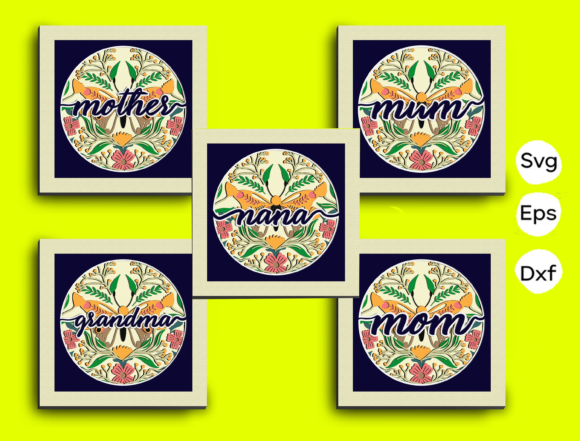
Butterfly Mother Papercut Light Box Review
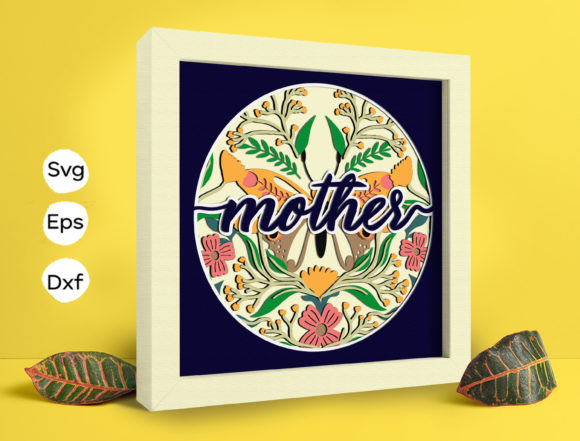
As a designer who constantly bridges the gap between digital cutting files and needlework, I approach every new asset with a specific question: will this actually translate to thread? When I first opened the Butterfly Mother Papercut Light Box files, my immediate reaction was appreciation for the intricate layering. While this product is marketed primarily as a 3D SVG for shadow boxes and paper crafting, the structural integrity of the design caught my eye as a potential candidate for mixed-media embroidery projects. The interplay of negative space and delicate lines offers a unique aesthetic that differs significantly from standard digitized embroidery patterns.
For fellow Etsy sellers, apparel decorators, and makers, it is vital to understand that this is not a pre-digitized machine embroidery design. You will receive SVG, DXF, and EPS formats compatible with Cricut Design Space, Silhouette Studio, Adobe Illustrator, and similar vector software. However, for those of us in the craft business who hybridize techniques, these vector lines serve as exceptional guides for custom digitizing or precise appliqué placement. The visual personality of the Butterfly Mother Papercut Light Box evokes a sense of nostalgic warmth and organic complexity, making it ideal for creators looking to offer something beyond generic clip art.
Translating Vector Layers to Stitched Texture
In evaluating this for real-world application, I envisioned a custom nursery project rather than a traditional light box. The intricate wings of the butterfly mother design possess a natural rhythm that mimics high-end lace or heirloom stitching. If you are planning to adapt this for a baby blanket or a personalized gift, the design’s flow suggests using a combination of running stitch for the fine details and satin stitch for the bolder outer contours. The challenge—and the opportunity—lies in the density. Papercut designs rely on physical connections to hold the paper together; in embroidery, we rely on fabric stability and stitch anchoring.
I recently tested a similar layered concept on a heavyweight linen tote bag design. The goal was to create a boutique product that felt handmade yet professional. Using the SVG as a template, I was able to map out an appliqué design where fabric layers replaced paper layers. The result was a textured, dimensional piece that customers responded to far better than flat fill stitch alternatives. For small shop products, this adaptation adds perceived value because it looks engineered rather than merely stamped onto the fabric. The Butterfly Mother Papercut Light Box provides the architectural blueprint necessary to achieve this level of sophistication without starting from scratch.
Best Applications for Creative Entrepreneurs
This design asset shines brightest when used for projects that benefit from silhouette and contrast. As a digital product seller or creative entrepreneur, you should consider where the "papercut" aesthetic enhances the final embroidered piece:
- Nursery Decor and Baby Embroidery: The maternal theme makes this inherently suitable for baby items. Adapted correctly, it works beautifully on pillow covers or wall hangings where the light-catching quality of the original design can be mimicked with variegated thread colors.
- Custom Apparel and Sweatshirt Embroidery: Placed centrally on a sweatshirt or hoodie, the design acts as a striking focal point. Because the lines are designed for cutting machines, they are clean and continuous, reducing jump stitches if you choose to digitize them for machine embroidery.
- Holiday Embroidery and Gifts: The intricate nature of the butterfly motif elevates holiday gifts from simple crafts to keepsakes. It pairs exceptionally well with velvet or silk backgrounds for a luxurious finish.
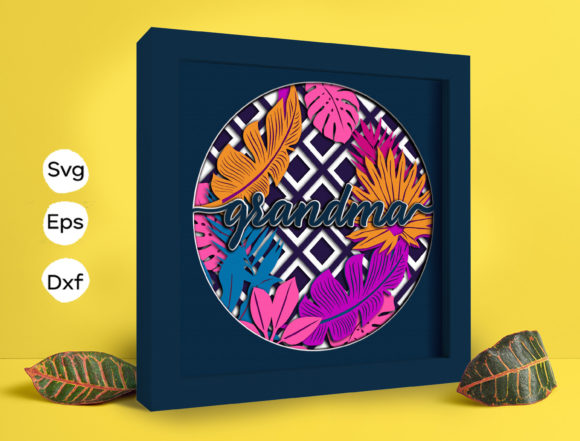
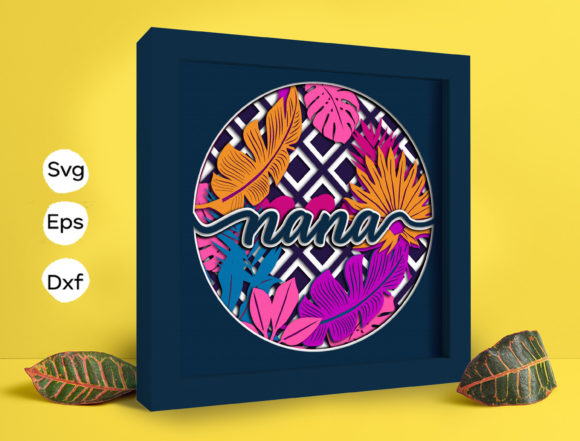
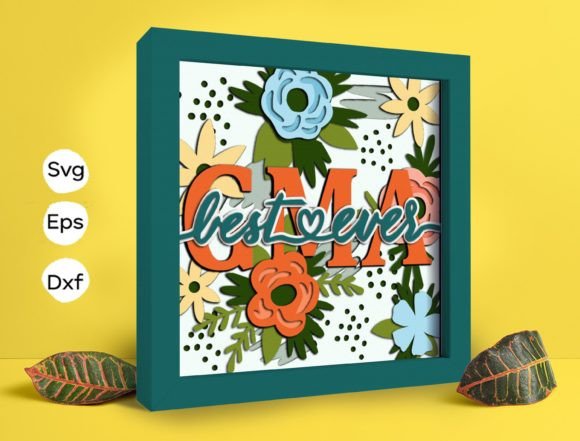
- Printable Mockups and Branding: Even if you do not stitch the final product immediately, the EPS and SVG files are invaluable for creating professional printable mockups. Showing clients how the design looks in a shadow box context helps sell the versatility of your brand assets.
Critical Considerations for Fabric and Hoop Size
While the Butterfly Mother Papercut Light Box is visually stunning, practical judgment requires acknowledging its limitations in textile applications. This design features fine bridges and detailed corners that were originally intended for cardstock, not woven fabric. When adapting this for commercial embroidery or personal projects, caution is paramount.
Avoid using this design on stretchy fabrics like jersey knits without significant modification and heavy stabilizer. The tension required to stitch such intricate lines can distort lightweight materials, causing the butterfly wings to pucker. Similarly, textured fabrics like terry cloth or boucle may swallow the delicate running stitch details that define the papercut look. For these surfaces, you would need to increase the stitch density or simplify the vector paths before digitizing.
Hoop size is another non-negotiable factor. Detailed designs like this suffer when scaled down too aggressively. If you attempt to fit this into a small 4x4 hoop, the internal details of the butterfly mother will likely become a muddy mess of overlapping thread. I strongly recommend testing the design at your intended size on scrap fabric first. Check whether the negative spaces remain open and distinct after stitching. If the fabric closes up the gaps, the design needs resizing or editing. Always confirm your machine's maximum stitch field and licensing terms before selling finished items derived from these digital assets.
Enhancing Product Value Through Professional Execution
The difference between a hobbyist project and a profitable handmade product often lies in the finishing. When utilizing the Butterfly Mother Papercut Light Box as a foundation for embroidery, your choice of thread colors and background fabric dictates the customer's perception. High-contrast pairings, such as white thread on navy linen or metallic gold on charcoal cotton, honor the shadow box origins of the design by emphasizing depth.
For Etsy sellers and craft business owners, presenting this design effectively means educating your buyer. If you sell the adapted embroidery file, include notes on recommended stabilizer types and fabric weights. If you sell the finished product, highlight the precision of the cut-work style stitching. This transparency builds customer trust and reduces returns due to unmet expectations regarding detail clarity. Furthermore, always verify the specific license included with your download. While the files are available individually for various software platforms, ensuring you have the right to use the design for commercial embroidery versus personal papercrafting protects your business long-term.
Designer Notes for Successful Adaptation
Before committing this beautiful vector art to fabric, run through this practical checklist to ensure professional results:
- Test on Scrap Fabric: Never stitch the final version first. Use a fabric identical to your finished product to check for puckering and detail loss.
- Evaluate Stitch Density: Papercut lines are thin. Ensure your digitizing software isn't creating overly dense satin stitches that could perforate the fabric.
- Check Thread Contrast: View your mockup in black and white. If the design disappears without color, the contrast is insufficient for the intricate papercut style.
- Stabilizer Selection: Use a cut-away stabilizer for wearable items to maintain the shape of the butterfly wings over time and washing.
- Verify Licensing: Confirm whether your purchase includes commercial rights for embroidered goods or if it is limited to digital/paper use.
- Mockup Testing: Create both light and dark background mockups to see which best showcases the design’s complexity before listing it in your shop.
The Butterfly Mother Papercut Light Box is more than just a digital cutting file; it is a source of structural inspiration for the thoughtful embroiderer. By respecting the differences between paper and thread, and by applying professional testing methods, you can transform this elegant vector asset into a standout addition to your product lineup. Whether for a bespoke baby gift or a new line of boutique apparel, this design rewards patience and technical attention with truly distinctive results.