Western Cowboy Papercut Light Box Review
First Impressions: Translating Paper Art to Thread
When I first opened the files for the Western Cowboy Papercut Light Box, my immediate thought was not about paper, but about how these intricate layers would translate into a machine embroidery design. As a designer who frequently bridges the gap between digital cutting files and needlework, I look for structural integrity. This 3D SVG is originally intended for shadow boxes, featuring stacked layers that create depth through light and silhouette. However, for those of us in the embroidery project space, this layered aesthetic offers a unique blueprint for creating textured, dimensional stitching that stands out in a saturated market.
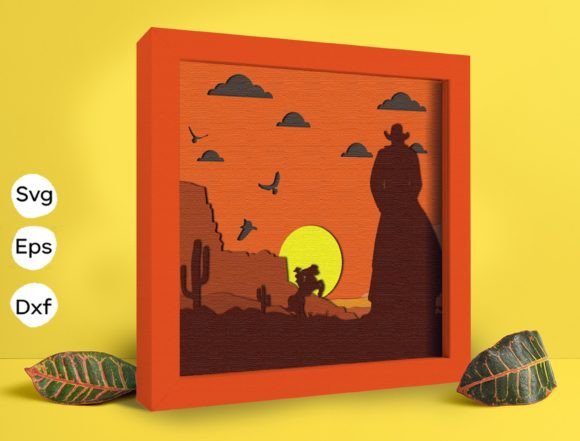
The visual personality of this design is distinctly rustic yet refined. It avoids the cartoonish vibe often associated with western themes, leaning instead into a sophisticated, folk-art silhouette style. For an Etsy seller or small shop product creator, this maturity in design is crucial. It suggests a finished product that appeals to adult buyers looking for home decor or premium apparel rather than just novelty items. The lines are clean, which is promising for digitizing, but the complexity of the "papercut" style means we must be intentional about how we interpret those layers into satin stitch, fill stitch, and running stitch elements.
Real-World Application: The Custom Denim Jacket Test
To truly evaluate this asset, I mentally placed it onto a specific client request: a custom denim jacket back piece for a boutique owner wanting a signature western collection. Denim provides a sturdy, textured canvas that mimics the matte finish of cardstock used in physical Shadow Boxes. In this scenario, the Western Cowboy Papercut Light Box serves as an exceptional applique design foundation.
Rather than stitching out every solid area, I envisioned using the SVG layers as guides for fabric appliqué. The bottom layer could be a cream raw-edge appliqué, with subsequent layers stitched in varying shades of brown and terracotta thread. This approach reduces stitch density significantly compared to a full-fill embroidery file, preserving the drape of the jacket while maintaining the 3D illusion. For a craft business, this efficiency is vital. It lowers production time and thread costs while increasing the perceived value of the custom apparel. Customers react positively to mixed-media textures; they can see the intentionality behind the layering, which builds trust in your brand’s professionalism.
Navigating Fabric Limitations and Hoop Constraints
While the design is versatile, it demands respect for fabric physics. A papercut style relies on crisp edges and distinct separation between layers. If you attempt this on a stretchy knit t-shirt without proper stabilization, the "paper" effect will collapse into a puckered mess. I would advise against using this specific layout for baby embroidery on onesies unless you significantly simplify the details and use a very stable backing. The intricate corners typical of laser-cut styles can become dense traps for needles on lightweight fabrics.
For tote bag design or canvas pillows, the risk is lower, but hoop size remains a critical factor. Because this is a 3D SVG meant for light boxes, the aspect ratio might be square or vertically oriented. Always verify the dimensions against your machine's capabilities before purchasing. If you are adapting this for a cap, the curved surface will distort the straight lines inherent in the papercut aesthetic. In that case, this design works better as a flat embroidered patch that is stitched out flat and then attached to the hat, rather than hooped directly onto the curved bill or crown.
Elevating Product Value Through Design Integrity
Using a high-quality vector source like the Western Cowboy Papercut Light Box directly impacts buyer engagement. When customers browse Etsy listings or craft fair tables, they are subconsciously scanning for professional execution. Designs derived from precise vector art tend to have smoother curves and better proportionality than auto-digitized raster images. This clarity translates to commercial embroidery success because the logo or motif remains legible and attractive even from a distance.
Furthermore, this design supports strong brand consistency. If you are building a western-themed shop, having a cohesive visual language across your sweatshirt embroidery, holiday embroidery ornaments, and personalized gift tags creates a recognizable identity. The papercut style is distinct enough to become your signature look. When presenting these items online, utilize printable mockup templates that show the design in natural lighting. Since the original file is designed for light boxes, showcasing the embroidery with dramatic lighting or backlighting in your product photos can bridge the gap between the digital asset and the tactile handmade product.
Essential Designer Notes for Successful Execution
Before you load this digital embroidery file into your machine for a sellable item, adhere to these practical checkpoints to ensure commercial viability:
- Verify Licensing and Formats: The package includes SVG, DXF, and EPS files compatible with Cricut, Silhouette, Illustrator, and Inkscape. However, confirm whether your purchase includes commercial rights for finished embroidered goods. Never assume a design asset is cleared for resale without checking the specific license terms provided by the creator.
- Test Stitch Density: Papercut designs can be deceptively dense. Run a test on scrap fabric identical to your final project. Check if the layers blend too much or if the registration marks align perfectly. Adjust pull compensation if necessary.
- Thread Color Contrast: The 3D effect relies entirely on contrast. Test thread colors in both natural and artificial light. What looks distinct on screen may merge when stitched. Use a black-and-white filter on your printable mockup to ensure the values read clearly without color reliance.
- Stabilizer Selection: For woven fabrics like denim or canvas, use a cut-away stabilizer to support the layered weight. For towels or fleece, consider a water-soluble topper to prevent stitches from sinking into the fabric texture, which would ruin the crisp papercut definition.
- Simplify for Small Items: If adapting this for a pocket-sized embroidered patch or baby bib, manually remove interior details. The Western Cowboy Papercut Light Box likely contains fine lines suitable for paper cutting but impossible for needle penetration at small scales. Edit the vector file in Illustrator or Inkscape before digitizing to ensure safety and clarity.
Final Thoughts for Makers and Sellers
The Western Cowboy Papercut Light Box represents a valuable crossover asset for creative entrepreneurs. It challenges us to think beyond standard embroidery patterns and explore dimensional storytelling through thread. Whether you are creating a high-margin custom apparel line or adding unique holiday embroidery to your seasonal catalog, this design offers a sophisticated alternative to generic western clip art. By respecting the technical requirements of translating paper art to fabric, and by validating your process through rigorous testing, you can turn this 3D SVG into a profitable, professional-grade addition to your product lineup. Remember, the best finished product is one where the technical execution honors the artistic intent, resulting in a piece that customers are proud to own and display.