Leaves Grandma Papercut Light Box: An Embroidery Review
As a designer who constantly bridges the gap between digital assets and tangible textiles, I approach every new file with a specific question: will this actually stitch out beautifully, or is it just pretty on screen? When I first opened the Leaves Grandma Papercut Light Box files, my immediate reaction was one of cautious optimism. While this product is marketed primarily as a 3D SVG for shadow boxes and papercut projects, the intricate line work and layered aesthetic caught my eye as a potential candidate for mixed-media embroidery. For fellow Etsy sellers, apparel decorators, and makers looking to expand their product lines beyond standard vinyl or paper crafts, evaluating this design through an embroidery lens requires a practical, technical mindset.
Translating Papercut Aesthetics to Thread
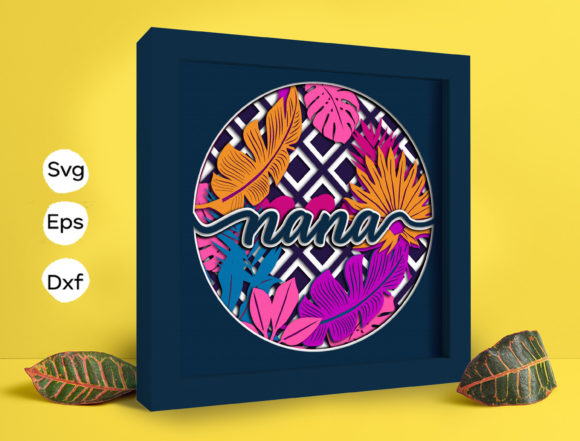
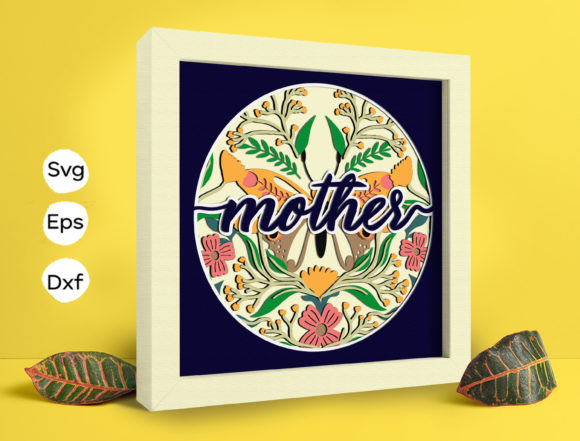
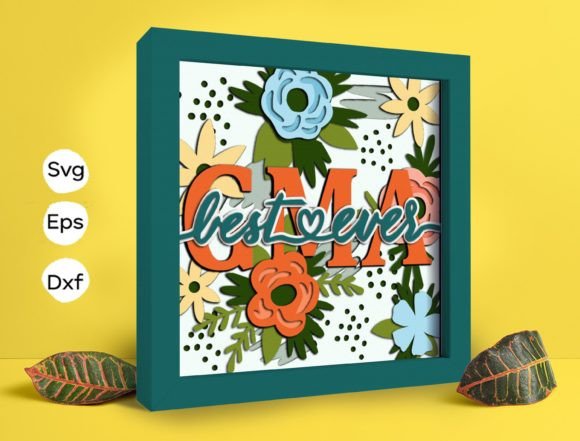
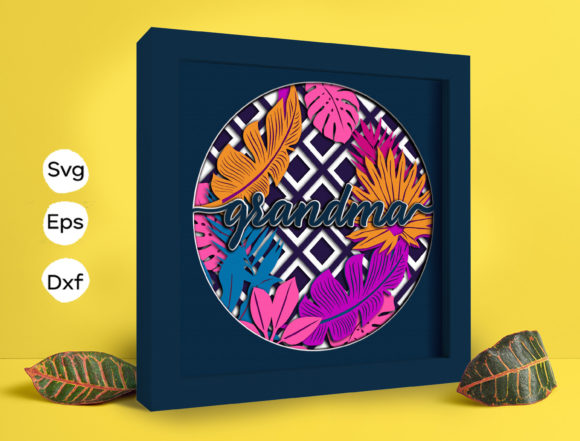
The visual personality of the Leaves Grandma Papercut Light Box is undeniably warm, nostalgic, and detailed. It evokes a sense of heritage and comfort, which is exactly the mood we aim for in personalized gifts and family-oriented merchandise. However, papercut designs rely on negative space and physical layers to create depth, whereas machine embroidery relies on stitch density and thread contrast. My first impression was that this design possesses the organic flow necessary for a beautiful applique design or a complex running stitch motif, but it demands careful translation.
Unlike a standard embroidery file that comes pre-digitized with satin stitches and fill stitches, adapting a vector-based papercut design means you are acting as both the artist and the digitizer. The intricate leaf veins and delicate script typical of this style can be stunning if executed correctly, but they can also become a tangled mess if the stitch pathing isn't optimized for fabric movement. For creative entrepreneurs, this represents an opportunity to offer something unique—a textile interpretation of a popular paper craft trend—but it also requires a solid understanding of how to convert clean vector lines into durable stitches.
Real-World Application: The Custom Sweatshirt Test
To truly evaluate this asset, I mentally walked through a recent client request: a custom embroidered sweatshirt for a grandmother’s birthday. The client wanted something that felt vintage yet modern, moving away from blocky, traditional lettering. The Leaves Grandma Papercut Light Box offered the perfect silhouette for this project. In this scenario, I envisioned using the outer leaf border as a guide for a tonal embroidery project on a sage green fleece.
For this sweatshirt embroidery application, the design serves as an excellent framing element. Rather than stitching the entire papercut stack, which would be too dense for wearable apparel, I would isolate the primary botanical elements. Using a combination of running stitches for the finer details and a light fill stitch for the broader leaf shapes creates a texture that mimics the layered paper look without the bulk. This approach maintains the integrity of the original art while ensuring the garment remains soft and comfortable. For small shop products and boutique branding, this level of thoughtful adaptation signals professionalism and care, distinguishing your handmade product from mass-produced alternatives.
Navigating Fabric Limitations and Hoop Sizes
While the aesthetic versatility is high, practical constraints must be respected. Because this design originates from the Shadow Boxes category, the default dimensions may be larger than standard embroidery hoops. Before committing to a project, you must verify the scalable limits of the vector files. Resizing a complex design too small can cause the intricate inner details to merge, resulting in poor stitching clarity.
I would advise extreme caution when applying this design to stretchy fabrics or thin knits without adequate stabilization. The detailed nature of papercut styles often involves frequent direction changes and dense areas that can distort lightweight material. If you are creating baby embroidery items or tea towels, use a high-quality cut-away stabilizer to prevent puckering. Conversely, on textured fabrics like linen or canvas, the fine lines of the leaves might get lost. In those cases, bolder satin stitch outlines or converting the design into an embroidered patch format might yield better visibility and customer satisfaction.
Furthermore, consider the washing requirements of the finished product. Papercut designs often feature delicate connecting points that look structural in paper but fragile in thread. If this is intended for a tote bag design or kitchen textile that will face frequent laundering, reinforce those connection points during the digitizing process. A design that falls apart after two washes will damage your reputation as an Etsy seller or commercial embroidery provider far more than any marketing can repair.
Elevating Product Value and Brand Consistency
Using a versatile asset like Leaves Grandma Papercut Light Box allows for remarkable brand consistency across different mediums. As a digital product seller or maker, you can offer matching sets: a physical papercut light box for home decor and a coordinating embroidered pillow cover or apron. This cross-category cohesion increases perceived value and encourages bundled purchases.
From a visual appeal standpoint, the organic, flowing lines of this design communicate "handmade" far better than generic clip art. When customers browse your listings, they are looking for emotional resonance. The grandmother theme, combined with natural botanical elements, triggers feelings of warmth and tradition. Whether used for holiday embroidery, wedding gifts, or nursery decor, the design carries an inherent narrative weight. However, this only translates if the execution is flawless. Professionalism in embroidery isn't just about the machine; it's about choosing the right design for the right substrate and executing it with precision.
Essential Designer Notes for Success
Before you load this design into your software or list a finished item in your shop, adhere to these practical guidelines to ensure success:
- Verify Licensing: The product description confirms file formats (SVG, DXF, EPS) but does not explicitly state commercial embroidery rights. Always confirm whether you can sell finished embroidered goods or if the license is restricted to personal papercut use before listing items.
- Test Stitch on Scrap: Never run a complex adaptation directly on a final garment. Test the stitch density and thread colors on a scrap of the exact fabric you intend to use. What looks good in software may pull or gap on actual cloth.
- Check Contrast: Papercut designs rely on shadows. In embroidery, you must create that contrast manually. Test black and white mockups to ensure the design reads clearly without relying solely on color differences.
- Stabilizer Selection: Match your stabilizer to the fabric weight and the design density. For this level of detail, a fusible mesh or poly-mesh cutaway is often superior to tear-away options.
- Simplify for Wearables: If adapting for custom apparel, do not feel obligated to stitch every single layer of the original papercut file. Edit out internal details that add unnecessary bulk. Less is often more in wearable embroidery.
- Mockup Accuracy: When creating printable mockups for your shop, ensure they accurately represent the texture of thread versus paper. Misleading customers by showing a paper render instead of a stitch simulation leads to returns and negative reviews.
The Leaves Grandma Papercut Light Box is a beautiful asset with significant potential for the discerning embroidery professional. It challenges us to think beyond standard digitizing and explore the intersection of paper craft aesthetics and textile art. By approaching it with technical respect and practical testing, you can transform this digital file into a cherished, high-value handmade product that resonates deeply with your customers. Just remember: in our industry, the beauty of the final stitch always outweighs the convenience of the source file.