Tropical Leaves Nana Papercut Light Box Review
First Impressions: Translating Paper Art to Thread
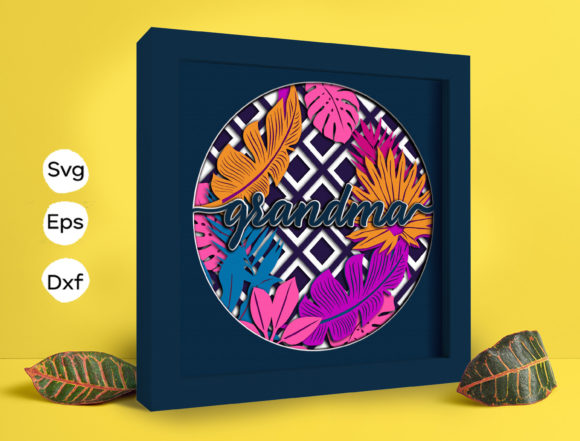
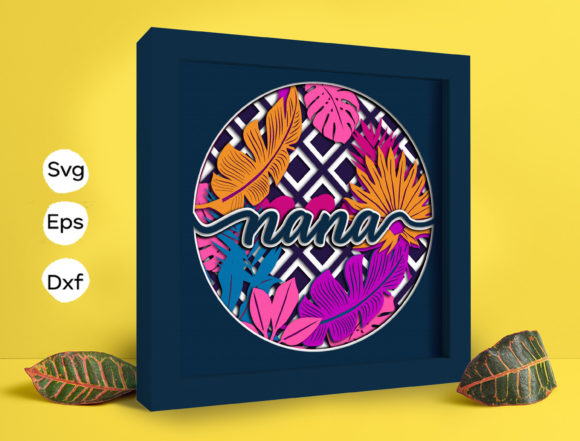
As a designer who constantly bridges the gap between digital cutting files and textile arts, my first reaction to the Tropical Leaves Nana Papercut Light Box was one of cautious optimism. Originally intended as a 3D SVG for shadow boxes, this design possesses a layered, organic complexity that immediately sparked ideas for mixed-media embroidery. The visual personality is undeniably lush; it evokes a sense of heritage and botanical warmth that feels perfect for personalized gifts or boutique home decor. However, moving from a papercut template to a machine embroidery design requires a critical eye. The intricate layering that makes this file shine in paper form presents unique challenges when translated into stitch density and fabric texture.
For creative entrepreneurs and Etsy sellers, this asset offers high potential value, but only if approached with technical intention. It is not merely a matter of converting an EPS or DXF file into stitches; it is about respecting the structural integrity of the original art while ensuring the finished product remains durable and visually legible. When I evaluate a design like this, I am looking past the pretty preview and focusing on how those overlapping tropical leaves will actually sit on a hoop without causing puckering or registration issues.
Real-World Application: The Custom Tote Bag Test
To truly understand the commercial viability of this design, I mentally prototyped it for a specific real-life scenario: a premium canvas tote bag intended as a high-end holiday gift or craft fair product. Canvas provides a stable base, which is essential for a design derived from a papercut aesthetic. In this context, the Tropical Leaves Nana Papercut Light Box serves as more than just decoration; it acts as a focal point that communicates handmade quality and artistic depth.
For this tote bag project, I would avoid treating the design as a single dense block of fill stitch. Instead, I envision utilizing the separate layers inherent in the 3D SVG format to create an applique design or a multi-texture embroidery piece. By assigning different thread colors and stitch types to individual leaf layers, we can mimic the dimensional shadow effect of the original light box. This approach transforms a flat digital embroidery file into a tactile experience. Customers at a market or browsing an online shop are drawn to this level of detail because it signals professionalism. A generic satin stitch outline often looks cheap by comparison, whereas a thoughtfully adapted papercut design suggests that the maker understands both their medium and their source material.
Navigating Fabric Limitations and Hoop Constraints
While the aesthetic is versatile, practical application requires strict boundaries. Because this design originates from a papercut style, it likely features fine connecting points and negative space that behave differently on fabric than on paper. I would exercise extreme caution when considering this for stretchy fabrics like jersey knits or thin performance wear. The stitch density required to replicate those delicate leaf veins could distort the garment or cause tunneling, even with heavy stabilizer use.
Similarly, small hoop sizes present a significant risk. If you attempt to shrink this design down to fit a 4x4 hoop for a baby embroidery project or a cap, the intricate details may merge into an unrecognizable blob. The beauty of the Tropical Leaves Nana Papercut Light Box lies in its separation of elements. Compressing those elements destroys the visual hierarchy. For apparel decorators working on sweatshirt embroidery or custom aprons, maintaining a larger scale is non-negotiable to preserve clarity. Furthermore, dark fabrics require careful planning; the contrast between thread and background must be tested rigorously. What reads as a beautiful shadow layer in a digital mockup might disappear entirely on navy linen unless you adjust your thread colors or add a subtle running stitch border to define the edges.
Elevating Brand Value Through Technical Precision
For small business owners and digital product sellers, using this design correctly impacts customer trust and brand consistency. A finished product that features clean registration and balanced stitch density tells the buyer that you respect your craft. Conversely, a project where the tropical leaves look muddy or misaligned devalues the entire collection. When listing items on Etsy or showcasing them in printable mockups, the translation of this 3D SVG into thread should feel intentional.
This design also offers excellent opportunities for hybrid products. Consider combining the papercut aesthetic with traditional embroidery techniques. For instance, you could use the SVG files to cut felt or leather appliques with a Cricut or Silhouette, then secure them with decorative stitching. This reduces overall stitch count, making commercial embroidery projects faster and more profitable, while retaining the dimensional look of the original light box concept. Such versatility makes this a valuable asset for makers producing everything from nursery decor to wedding gifts. The key is to view the file not as a rigid set of instructions, but as a foundational blueprint for textile interpretation.
Critical Designer Notes Before You Stitch
Before committing this design to a final product or adding it to your shop inventory, adhere to these professional best practices:
- Verify File Compatibility: The package includes SVG, DXF, and EPS formats suitable for Cricut Design Space, Silhouette Studio, Adobe Illustrator, and Inkscape. However, confirm your specific embroidery software can import and convert these vector formats accurately before purchasing.
- Test on Scrap Fabric First: Never run a complex papercut-style design directly on a finished good. Test the stitch density and layer alignment on a scrap of the exact fabric and stabilizer combination you intend to use.
- Analyze Stitch Density: Papercut designs often have tight corners. Ensure your digitizing software does not create excessive density overlaps where leaves intersect, which could break needles or damage delicate fabrics.
- Check Licensing Terms: While the files are available for download individually, always review the specific license regarding commercial use. Confirm whether you can sell finished embroidered products or if the license restricts usage to personal projects only.
- Mockup in Black and White: Before selecting thread colors, test the design in grayscale. This reveals whether the shape and detail rely too heavily on color contrast rather than structural definition.
- Stabilizer Selection: Given the likely complexity of the Tropical Leaves Nana Papercut Light Box, opt for a high-quality cut-away stabilizer for apparel or a firm tear-away for woven goods to prevent shifting during the multi-layer stitching process.
- Scale Appropriately: Respect the minimum size threshold. If reducing the design causes details to vanish, choose a simpler motif for that specific application rather than forcing a complex 3D SVG into an unsuitable space.
Ultimately, the Tropical Leaves Nana Papercut Light Box is a sophisticated asset for the discerning maker. It demands patience and technical skill to translate from screen to stitch, but the reward is a unique, textured product that stands out in a saturated market. Whether you are creating a signature tote bag line or a bespoke nursery piece, approaching this design with professional rigor ensures your handmade products carry the quality your customers expect.